
Mandell-Boisclair Justice Camp Empowers Middle School Students to Explore Law and Democracy
In its third year, the RWU Law program welcomed 39 students, including 18 returning campers, for two weeklong sessions focused on justice, advocacy, elections, and civic engagement.
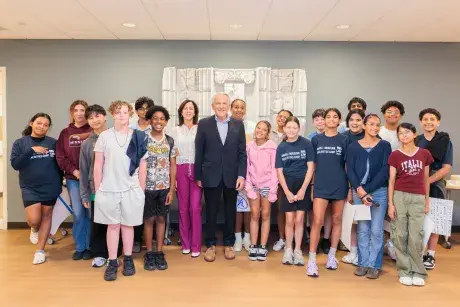
PROVIDENCE, R.I. – Middle school students spent two weeks this summer discovering how law and democracy shape their lives – and how they can help shape their communities.
Now in its third year, Roger Williams University School of Law’s Mandell-Boisclair Justice Camp welcomed 39 students entering grades six through nine for two weeklong sessions in July. The group included 18 campers who had previously participated in the program . Designed by RWU Law faculty, the program connects students with attorneys, judges, civic leaders, journalists, advocates, and law students through hands-on experiences exploring social justice and the role of law in everyday life.
“The Mandell-Boisclair Justice Camp helps young people understand that the law is not distant or abstract; it shapes their schools, their families, their communities, and our democracy every day,” said RWU School of Law Dean Gregory W. Bowman. “By entering courtrooms, debating public issues, speaking with civic leaders, and examining how rights are protected, this year’s campers discovered that they do not have to wait until adulthood to participate in their communities. That experience reflects what we hope legal education can do at every level: give people the knowledge, confidence, and sense of responsibility to use their voices in service of others.”
Seeing Justice in Action
The first session, held July 13-17, introduced campers to the foundations of justice, lawmaking, advocacy, and the protection of individual rights.
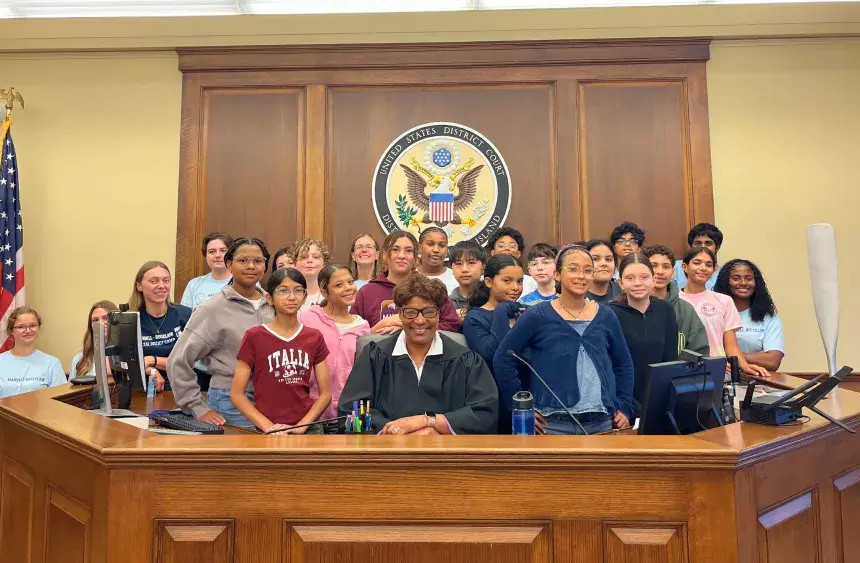
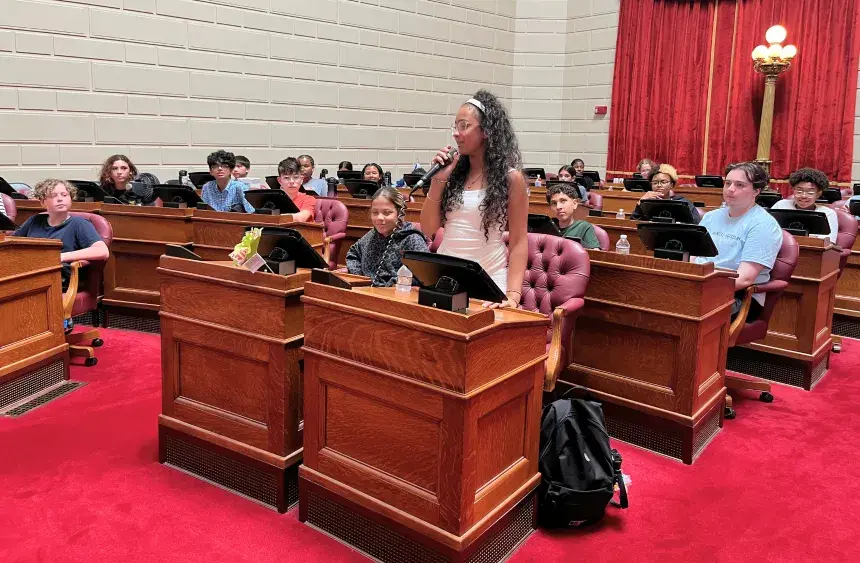
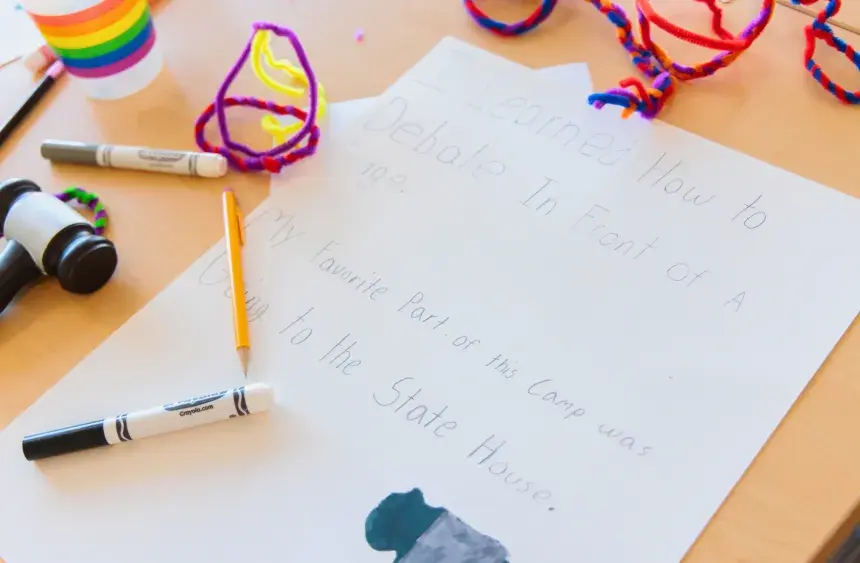
Students visited the Rhode Island State House, where they toured the building and debated a bill on the House floor. They also visited the state and federal courts, explored RWU’s Bristol campus and School of Law, and participated in a client advocacy and negligence simulation.
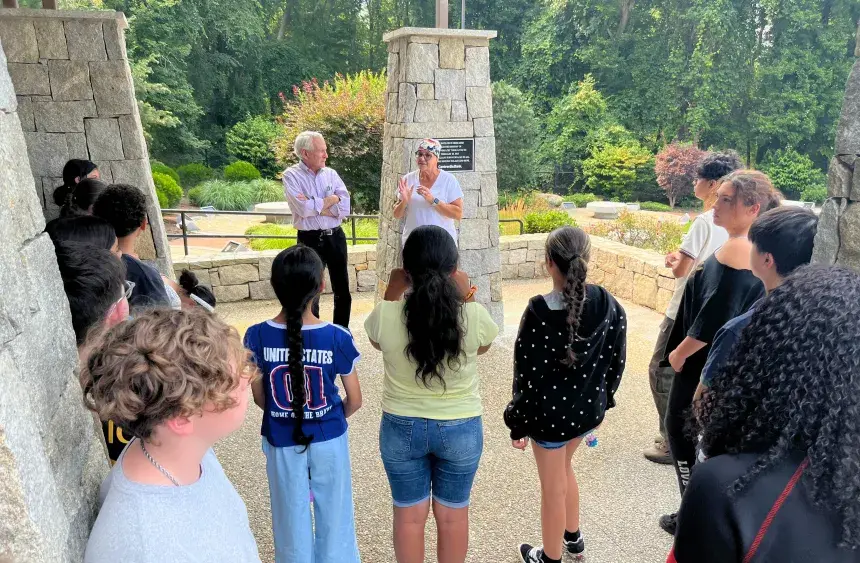
Students also examined Indigenous peoples’ land rights during a visit to Potumtuk. They learned how civil litigation can be used to seek justice during a lesson about the 2003 Station nightclub fire and a visit to the memorial in West Warwick.
Along the way, campers learned directly from members of Rhode Island’s legal and civic communities, including Rhode Island Supreme Court Justice Erin Lynch Prata, U.S. District Judge Melissa DuBose L’04, Rhode Island Superior Court Justice Christopher Smith L’07, attorneys, RWU Law faculty and students, and state government leaders. The week culminated in student debates and visits to Rhode Island’s state and federal courts and the African American Museum of Rhode Island.
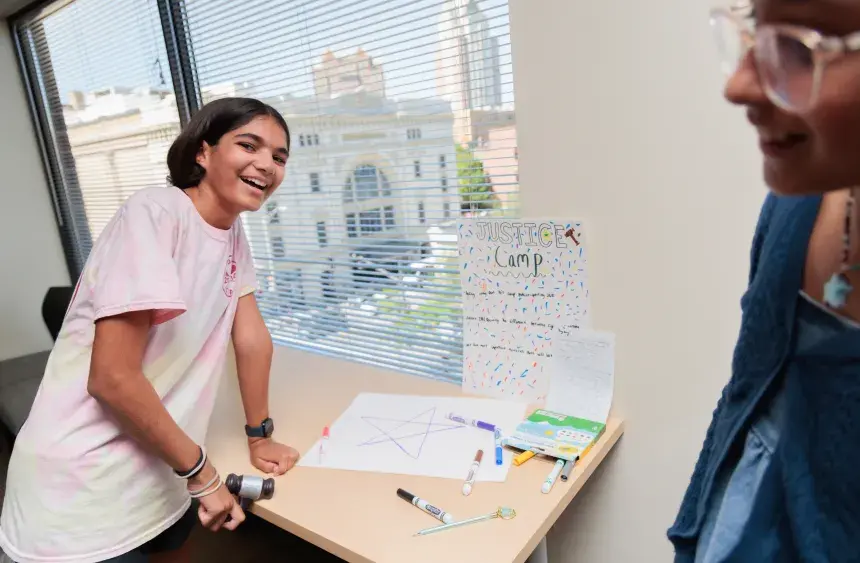
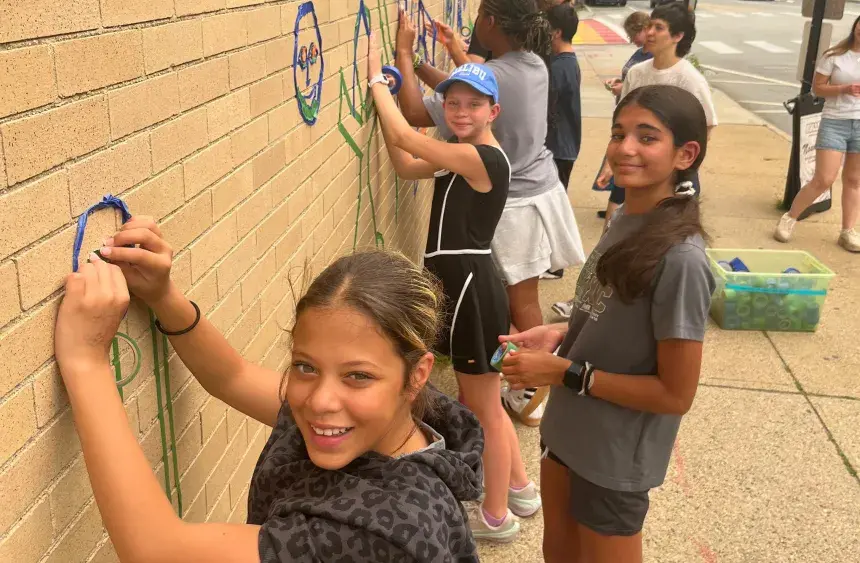
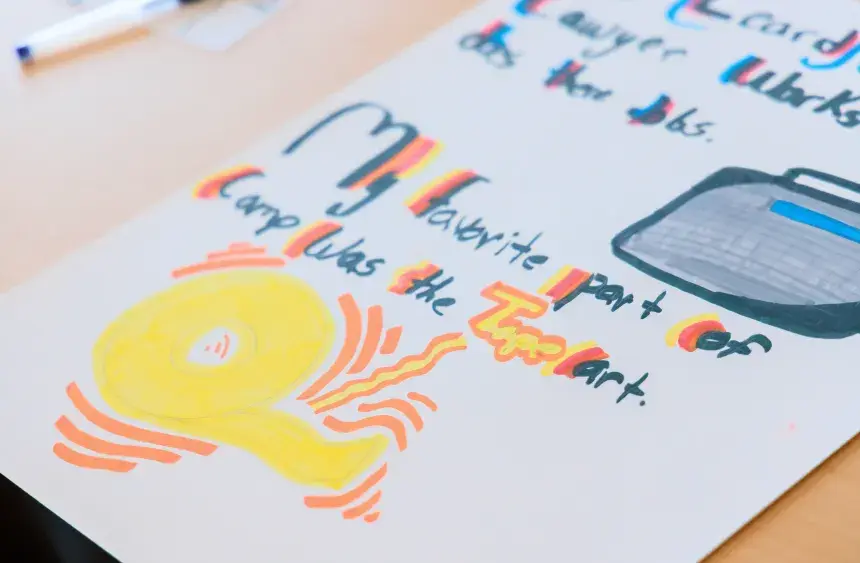
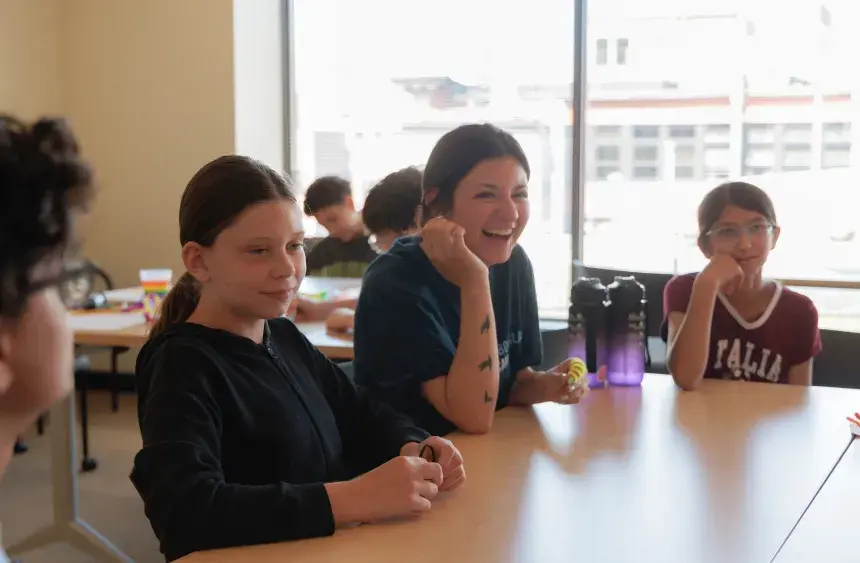
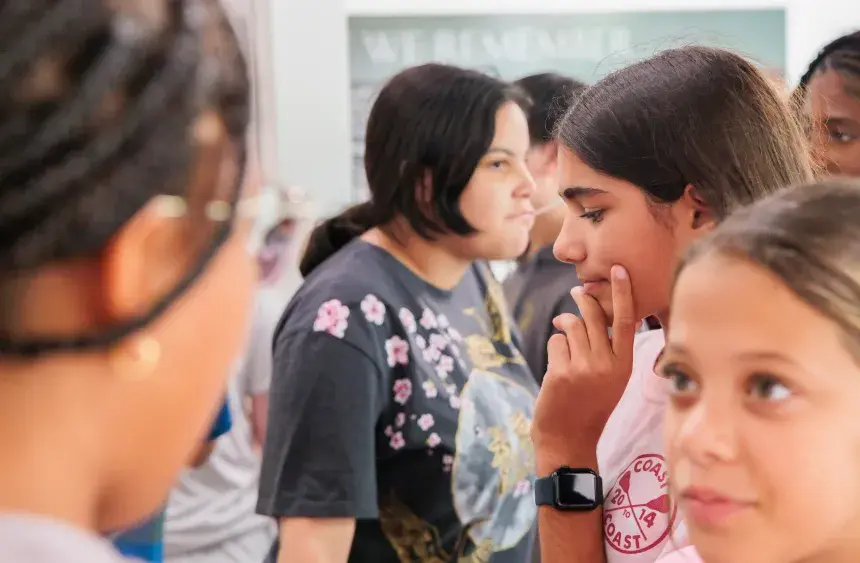
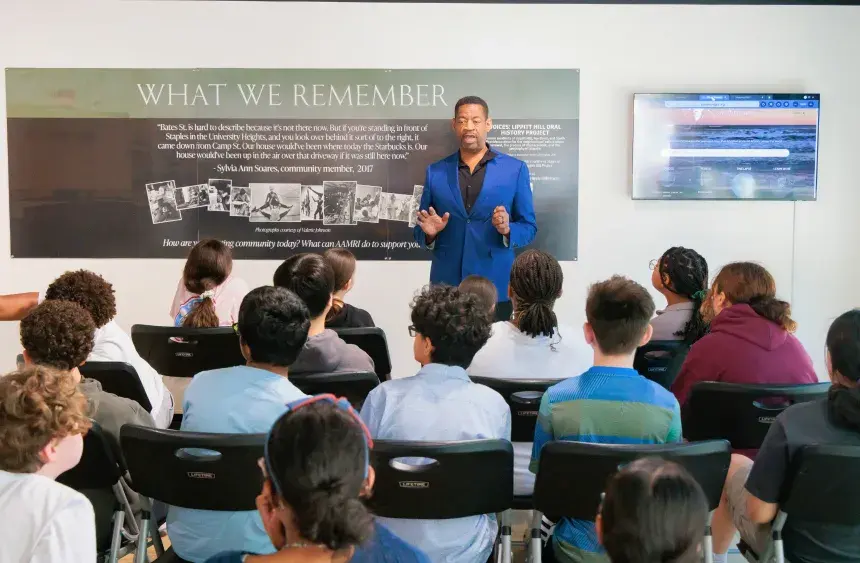

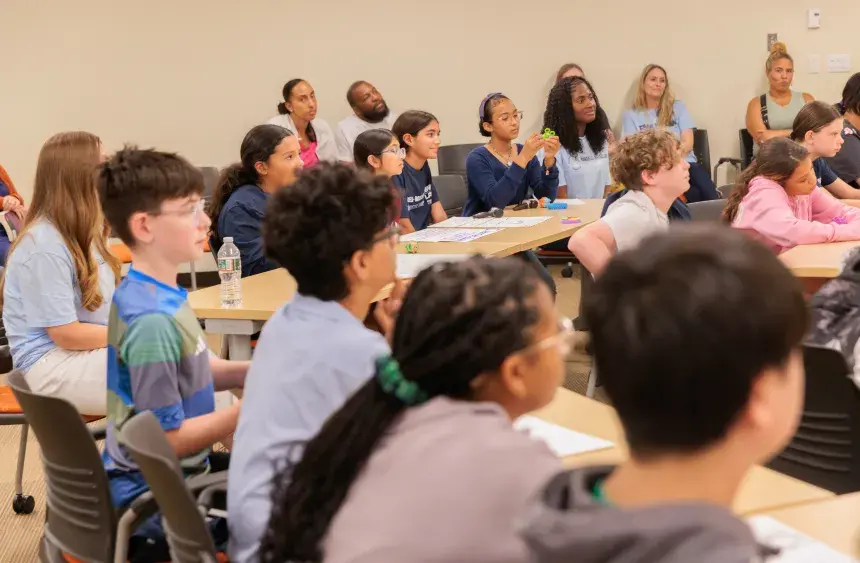
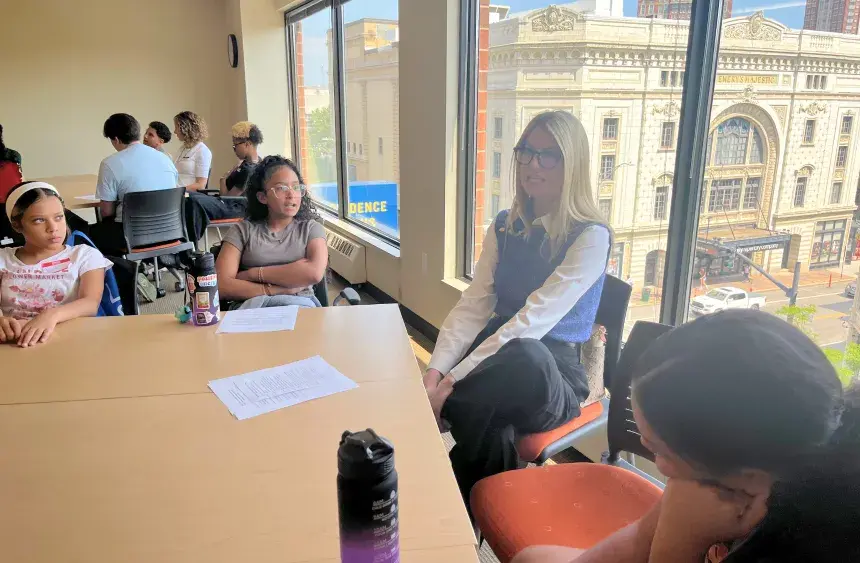
Attorney Mark Mandell and his wife, Yvette Boisclair, have helped make the Justice Camp possible. Mandell said these experiences can help students envision themselves as future advocates.
“Equal justice under the law is fundamentally important to us. Our hope is that our social justice summer camps will empower our students to know that they too can become lawyers and judges providing social justice,” Mandell said. “Our goal is to provide a safe place where our students not only learn about justice in theory, but also listen to different perspectives, challenge assumptions, defend their positions, and show genuine concern for people whose experiences may differ from their own. By giving them that experience early, we hope they leave believing not only that social justice is possible, but that they have a role in making it happen.”
From Learning the Law to Participating in Democracy
For returning campers, the second session, held July 20-24, took a deeper look at democracy, elections, political information, and voting rights. The camp’s second-week curriculum is designed for students who have attended the program before.
Rhode Island Secretary of State Gregg Amore opened the week with a conversation about democracy and voting. Students then examined how voters make decisions and how different voting systems work. A visit to Ocean State Media introduced campers to election information and disinformation. Boston Globe reporter Steph Machado led a discussion about political debates and how candidates communicate their positions to voters.
Students then put those lessons into practice through small-group conversations with four RWU Law alumni seeking public office: Jacob Bissaillon L’16, Jenni Furtado L’19, Xay Khamsyvoravong L’20, and Yulyana Torres L’23. The conversations gave campers an opportunity to question candidates directly about the issues that mattered to them and see how graduates of RWU Law are putting their legal education to work in public service.
Later activities explored who has historically been excluded from voting, efforts to protect voting rights, and the connections among law, race, history, and civic participation.
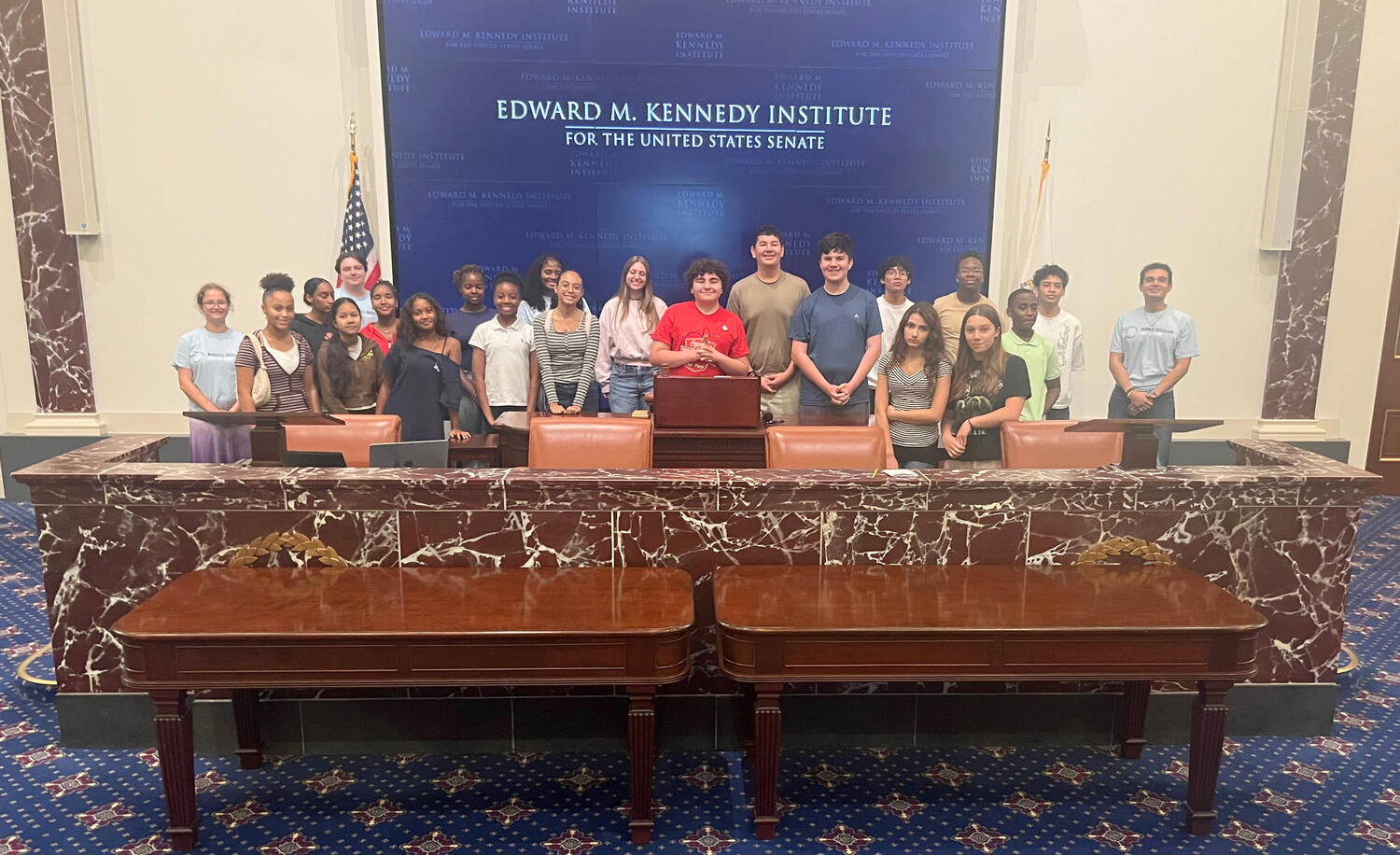
The session concluded at the Edward M. Kennedy Institute in Boston, where campers took part in its Senate Immersion Program focused on election reform. The program placed students in the role of lawmakers, giving them the opportunity to listen, discuss issues, negotiate, and make decisions about an issue central to American democracy.
The expanded programming builds on a camp that began in 2024 with 20 students and grew to two sessions in its second year. Participants have explored the legal system through courtroom visits, debates, conversations with public officials, and other experiential learning opportunities.
“The magic of this camp is the way that judges, elected officials, attorneys and community leaders from across Rhode Island show up and give so generously of their time,” said Associate Professor of Law Ellen Farwell. “The message that ‘We believe in you and need your voice’ comes through loud and clear when busy, successful leaders spend time really talking and being present with teenagers.”