
From Textbooks to Truth: A Civil Rights Journey
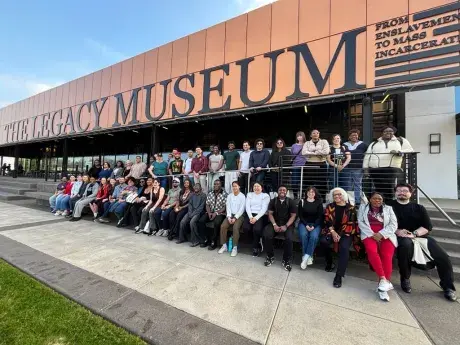
At the start of 2026, the Massachusetts and Rhode Island judiciary organized a trip to Alabama and Georgia for law students to participate in. Roger Williams University School of Law was invited to send delegates under the Justice Riders banner, led by Associate Dean Lorraine Lalli. This trip aimed to provide future lawyers with an opportunity to learn about the realities of social justice and to connect those realities to their future legal careers.
I was privileged to attend this trip, alongside fellow 2L RWU Law colleagues Alana Quashi, Judith Kitson, and Mizael Mendez. Throughout the journey, we reflected together on what we were learning and how these experiences would shape the kind of lawyers we hope to become.
Before we went on the trip, I did not know what to expect. As an immigrant who was born and raised in another country, racial equality and American legal history had largely been subjects I studied for exams. I believed that much had changed since then, and given the consistent efforts toward diversity, equity, and inclusion within law schools, I assumed there would not be a large gap between reality and what we learned in textbooks. This trip completely changed my perspective.
Our first stop was The Legacy Museum in Montgomery, Alabama. As first-time visitors, we stepped in without a clear picture of what awaited us, despite hearing from many colleagues about the emotional impact of the exhibits. However, nothing prepared me for the experience of walking inside. The museum was unlike anything I had seen before. It stands near the site where enslaved people tied to the cotton industry were once held, under the control of white slaveholders.
Several programs in the museum allow visitors to interact with the stories of enslaved Africans from the past and African American inmates who were maliciously prosecuted because of their race. Their stories reveal lives lived without hope in a system that, in many cases, was designed to fail them. As we moved through the exhibits together, many of us reflected on how little these realities are discussed in traditional legal education.
Later that day, we were incredibly fortunate to meet attorney Bryan Stevenson, a nationally known civil rights lawyer and founder of Equal Justice Initiative. This was a wonderful surprise, as I had already deeply admired his work before joining the trip. He spoke with us about the work he has been doing and how he began his career as a public defender representing death-row inmates. Many of us were surprised to learn that there are far too few lawyers working in this field, despite the tremendous number of people still waiting for help.
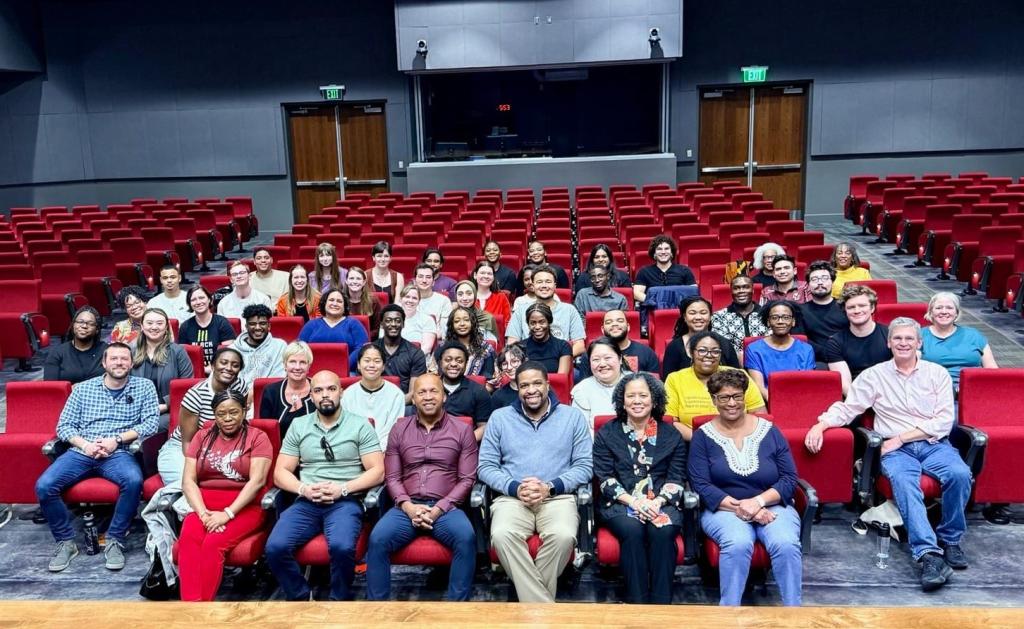
What impressed me most was that no matter where we went, whether to the memorial park, The Legacy Museum, or even Mr. Stevenson’s office, I could barely see any signs of personal recognition or branding connected to him. This is someone who has dedicated his life to helping others, educating the public with a new narrative, and inspiring law students without focusing on marketing himself or promoting his personal image. A true leader.
During this trip, we not only visited significant historical locations and met people who had made meaningful impact, but we also built strong connections with students from other law schools who attended: Boston College, Boston University, Harvard, Northeastern, UMass, Suffolk, and Western New England. We also learned much from judges Angel Kelley, US District Court Judge for the District of Massachusetts, John J. McConnell Jr., Chief Judge, U.S. District Court for the District of Rhode Island, and Melissa R. DuBose, Judge, U.S. District Court for the District of Rhode Island. Judge Angel Kelley shared stories about places she visited in youth while traveling through Selma, and about the games she and others played with the limited resources available at the time. Judge McConnell sang songs with us and provided advice and background information for students who were not familiar with the sites we were visiting. Through these shared experiences, we truly bonded during the trip.
When we visited the site of the 16th Street Baptist Church bombing in Birmingham, Alabama, we learned about Sarah Collins Rudolph. She lost her right eye and suffered severe injuries from glass and debris when members of the Ku Klux Klan detonated dynamite at the church. Many of us were appalled to learn that she did not receive significant economic compensation for the harm she endured. As law students, we immediately felt compelled to do something to help her. That night, we sat down together as a group and formed a sense of community, promising to stay in contact and to do whatever each of us could to support her case, seek broader support, and continue fighting for justice.
I remember that one student questioned whether the community we were building could truly help Mrs. Rudolph. Judge Kelly responded, “Don’t underestimate law students. They are the changemakers.” She was right. We ARE changemakers.
This experience was made possible by the generous support of Mandell, Boisclair & Mandell, Ltd. and Roger Williams University School of Law’s commitment to providing students with opportunities to engage directly with the history and realities of justice in the United States.
As attorney Mark Mandell shared, “The most effective advocates are those with awareness and passion. Visiting the heart of our country’s rich civil rights experience leaves an important, indelible imprint that benefits our students and also their future clients. We consider it an honor to be associated with this program.”
Support like this helps law students move beyond textbooks and engage directly with the lived realities of civil rights, shaping the kind of lawyers we hope to become.
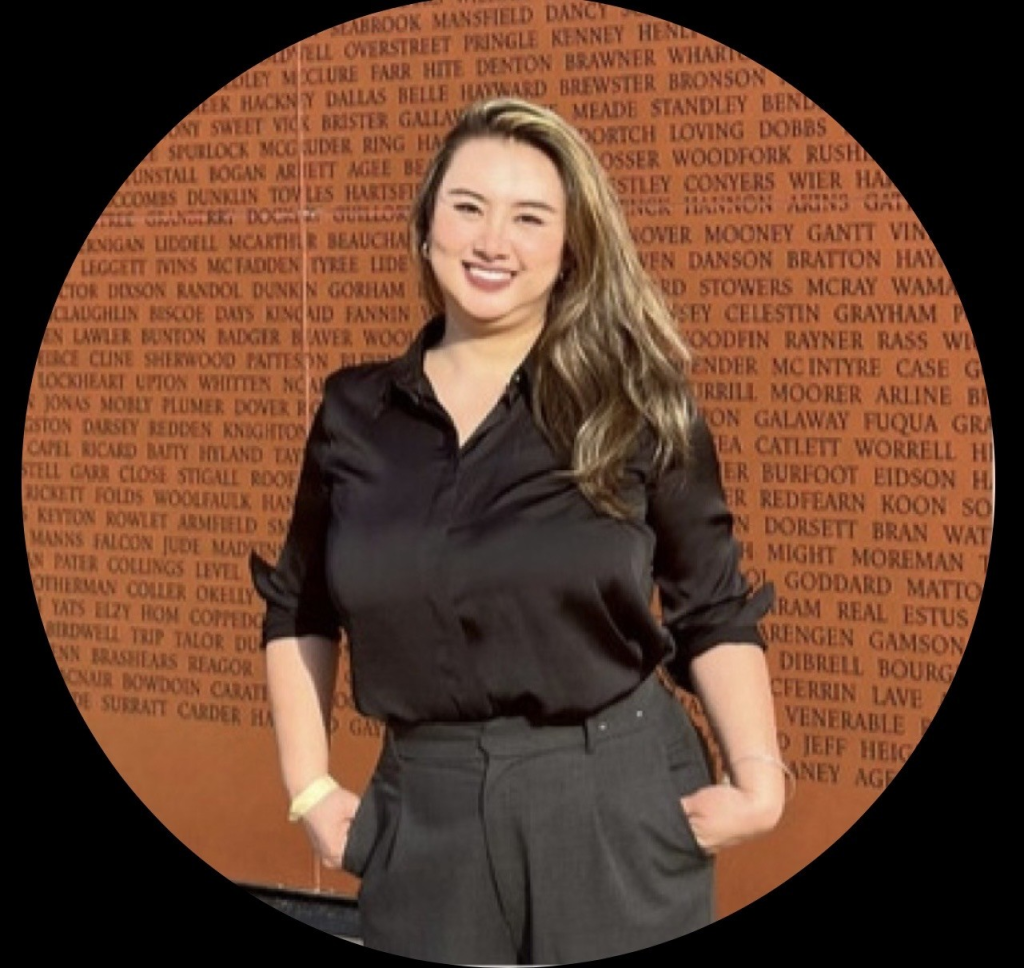
As a future lawyer, a minority, and a non-native English speaker, I often question myself: Can I really do this? Is this path meant for me? This trip taught me the answer.
Yes, this is for me.
This is for us.
It is for anyone who truly cares about our country’s future.
Let us work together and continue changing the narrative.