RWU Law Opens Coastal Resilience Clinic to Visiting Students for Summer 2026
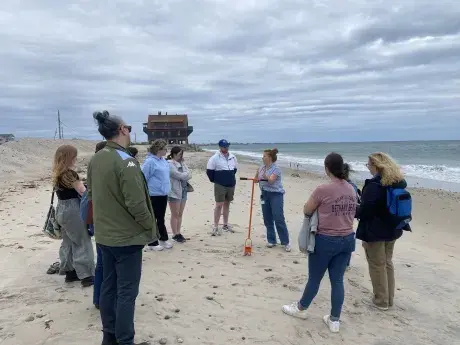
This summer marks a significant step forward for RWU Law's Coastal Resilience Law and Policy Clinic. Now entering its fourth year, the clinic is expanding access beyond RWU Law’s student body. For the first time, visiting students from ABA-accredited law schools will be able to join RWU Law students in this immersive, four-credit experience.
The clinic is a joint initiative of the Marine Affairs Institute and Rhode Island Sea Grant, and it has quickly become one of RWU Law’s most distinctive offerings. As coastal communities navigate the pressures of a changing climate, the need for lawyers who understand resilience, adaptation, and local decision-making continues to grow. This clinic gives students a direct window into that work.
How to Apply: Email marineaffairs@rwu.edu
Students from RWU Law and other ABA-accredited law schools are encouraged to apply early.
A Hands-On, Four-Credit Summer Experience
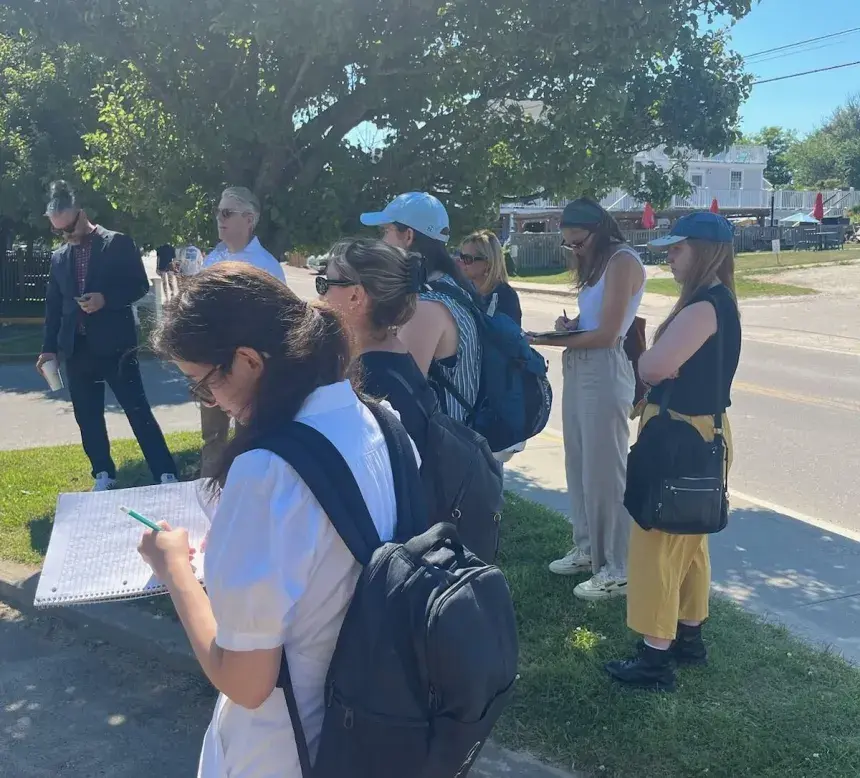
Over ten weeks, students work closely with state and local government partners on projects that support community-level planning and response. The work is substantive and practical: researching legal frameworks, drafting written products for non-lawyer audiences, and engaging with stakeholders who rely on clear, actionable guidance.
Students can expect to build experience in:
- Local land‑use and planning processes
- Municipal, state, and federal regulatory structures
- Climate adaptation and resilience strategies
- Research and writing tailored to public-facing audiences
- Public engagement and the policymaking process
RWU Law and visiting students also have the option to pair the clinic with one or two additional summer courses, creating a whole, immersive summer on campus.
Learning on the Coast
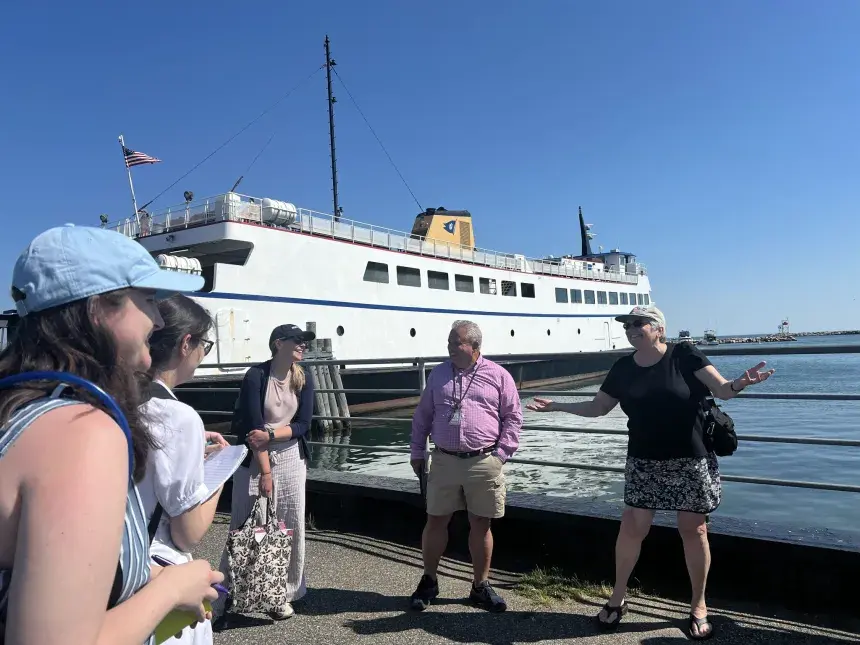
The clinic is based on RWU Law's Bristol, Rhode Island campus, where the coastline is part of daily life. Students study resilience while surrounded by the very communities, shorelines, and infrastructure that shape the region's legal and policy questions. The setting deepens learning in a way hard to replicate elsewhere.
Why This Expansion Matters
Opening the clinic to visiting students reflects both demand and mission. Many law schools do not offer an immersive program focused on coastal resilience, and students across the country are seeking meaningful, applied experience in this area.
"Communities are facing increased needs related to planning for coastal resilience. Students want to work on real issues that matter,” said Julia B. Wyman, Director of the Marine Affairs Institute & Rhode Island Sea Grant Legal Program. "By opening the clinic to visiting students, we're expanding access to hands-on training to more students, at a moment when coastal communities need informed, practical legal support."
While the Coastal Resilience Law and Policy Clinic is now entering its fourth summer, the pathway it represents has already shaped careers.
“I always knew I wanted my life and career to revolve around the ocean. The coastal clinic allowed me the opportunity to work on local coastal real estate matters, particularly as rising sea levels are beginning to shape how these properties are developed and regulated. It’s rewarding to work on issues where the law is actively evolving and where the work has real implications for coastal communities,” said Julia Meskis L’25, now an Associate Attorney at Holbrook & Murphy, a maritime litigation firm in Boston, MA.
Her experience reflects the kind of impact experiential coastal law training can have. The clinic builds on that same foundation — pairing legal analysis with real-world municipal and state decision-making.
How to Apply
Students from RWU Law and other ABA-accredited law schools are encouraged to apply early.
Email: marineaffairs@rwu.edu
Real clients. Real policy work. Real impact.