
Esther Clark Competition
The Moot Court Board organizes and administers the annual intra-scholastic Esther Clark Moot Court Competition. Second-year Moot Court Board members compete in the Esther Clark Competition to maintain their position on the Moot Court Board. The Esther Clark Competition requires advocates to author an appellate brief and compete in a series of arguments against their fellow second-year Moot Court Board members. The final round of the Esther Clark Competition is argued before the justices of the Rhode Island Supreme Court, who ultimately decide the winner.
30th Annual Esther Clark Competition


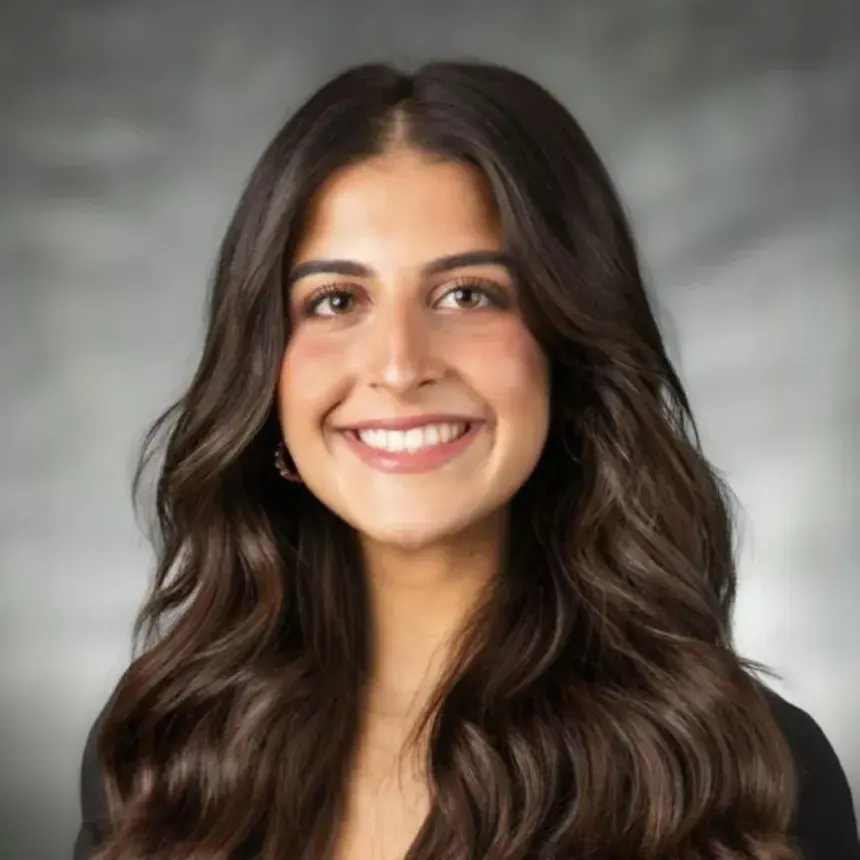

The Esther Clark Competition is named after a 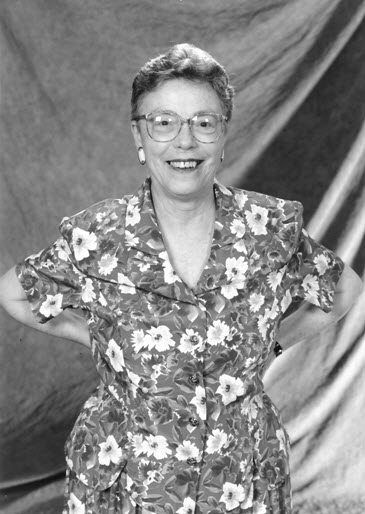
deceased RWU Law professor, who joined Roger Williams Law faculty during its second year and taught Criminal Procedure and Evidence. Professor Clark's impact on students went well beyond the classroom. Students voted Professor Clark “outstanding faculty member of the year” five times throughout her teaching career at Roger Williams. She believed that teaching was a twenty-four hour a day passion that went well beyond when students graduated. Professor Clark continued to assist her students after graduation.
Esther Clark graduated law school from Rutgers University Law in 1955. She was one of only two women in her class. She was also an associate editor of Law Review at the law school. After her graduation from law school, Clark became a criminal trial attorney at a time when there were very few women in that field.
Professor Clark’s determination and passion helped get RWU Law to where it is today. She helped the school grow and more importantly, helped pave the way for women in the profession of law. In recognition to her contributions to the School of Law, the Moot Court Board named the 2L Competition in her memory.
The following lists competition winners from 2007 to present:
2025
Winner: Trent Huff
Finalist: Skyler Blackbird
Best Brief: Gabriella Armanious
Best Overall Oral Advocate: Skyler Blackbird
Best On and Off Brief: Madi Wolf
2024
Winner: Marriah Binek
Finalist: Vylia Omar
Best Brief: Mirrah Binek
Best Overall Oral Advocate: Caroline Stanton Chlaupek
Best On and Off Brief: Caroline Stanton Chlaupek
2023
Winner: Elijah Santos
Finalist: Julia Keefe
Best Brief: Elijah Santos
Best Overall Oral Advocate: Elijah Santos
Best On and Off Brief: Elijah Santos
2022
Winner: Pia Piscitelli
Finalist: Morgan Alger
Best Brief: Michaela Conley
Best Overall Oral Advocate: Aicha Elola
Best On and Off Brief: Hilary Levey Friedman
2021
Winner: Noelle Soares
Finalist: David Braga
Best Brief: Julissa Arce
Best Overall Oral Advocate: Penelope Murphy
2020
Winner: Jill Magnus
Finalist: Amanda Tramonte
Best Brief: Amanda Tramonte
Best Overall Oral Advocate: Jill Magnus
2019
Winner: Erin Ferry
Finalist: Amanda Nagim-Williams
Best Brief: Celina Andrade
Best Overall Oral Advocate: Sophia Weaver
2018
Winner: Crystal Peralta
Finalist: Luis Vargas
Best Brief: Luis Vargas
Best Overall Oral Advocate: Caitlyn Forrester-Johnson
2017
Winner: Ryan Gallagher
Finalist: Allison Regan
Best Brief: Brenna Riley
2016
Winner: Sean Clough
Finalist: Grace Dzilenski
Best Brief: Alexandra Rawson
2015
Winner: Katherine Berling
Finalist: Lindsey Langella
Best Brief: David Revens
2014
Winner: Brett Beaubien
Finalist: John Ryan Henry
Best Brief: Edward Pare
2013
Winner: Daniel Reilly
Finalist: Sydney Kirsch
Best Brief: Christopher Fragomeni
2012
Winner: Antonio Massa Viana
Finalist: Thomas Pagliarini
Best Brief: Jeffrey Sheehan
2011
Winner: Nicholas Nybo
Best Brief: Christa Harris
2010
Winner: Tolulope Kevin Olasanoye
Best Brief: Ezra Willey
2009
Winner: John Meara
Best Brief: Robert Cavanagh
2008
Winner: Craig Graham
Best Brief: Hala Furst
2007
Winner: Tyler J. Smith
Best Brief: Kyle Rocha
Images from the 29th Annual Esther Clark Competition in 2024
Images from the 28th Annual Esther Clark Competition in 2023
Images from the 27th Annual Esther Clark Competition in 2022
Images from the 26th Annual Esther Clark Competition in 2021
Images from the 25th Annual Esther Clark Competition in 2020
Images from the 24th Annual Esther Clark Competition in 2019
Images from the 23rd Annual Esther Clark Competition in 2018